
Command and Control—or Participatory Leadership?
Over the years, I have often referred clients back to an earlier article I wrote, Are You a Theory X or Theory Y Leader? At the time, I used Douglas McGregor’s well-known Theory X and Theory Y framework to explore the role that trust plays in leadership.
Lately, this topic has been coming up again and again in client meetings. These days, I often describe it in simpler terms: Command and Control leadership versus Participatory Leadership.
Both styles have their place. The problem is not that one is always good and the other is always bad. The problem comes when a leader uses the wrong style for the situation—or when a leader does not recognize that someone else on the team is doing so.
As summer winds down and leaders begin preparing for the fall push, this is a good time to think about the style you rely on most often, and whether it is helping your team do its best work.
The Two Styles
Command and Control is a directive style of leadership. The leader makes the call, gives clear instructions, establishes priorities, and expects people to act quickly.
Participatory Leadership is more collaborative. The leader asks questions, draws out ideas, encourages healthy discussion, and involves the people closest to the work in helping solve the problem.
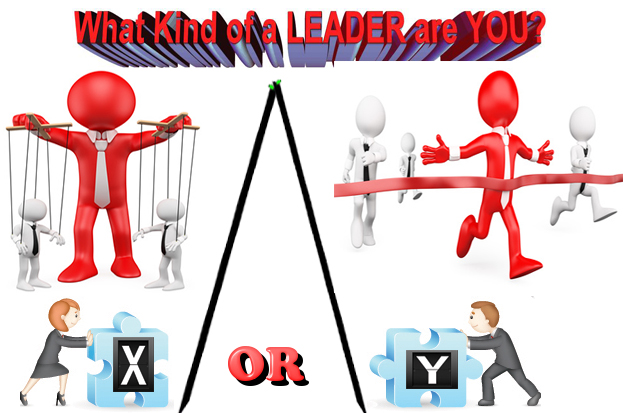
Strong leaders do not permanently choose one style. They learn to recognize what the situation needs and adjust accordingly.
When Command and Control Is Appropriate
There are absolutely times when a leader needs to take charge.
If there is a real crisis—a safety issue, a major customer emergency, a system failure, or something requiring immediate action—this is not the time for a long discussion or a committee meeting. Someone needs to make the decision, give clear direction, and make sure everyone understands what needs to happen next.

Think of it as firefighting. When the building is on fire, people do not need a brainstorming session. They need to know: “Here is what we are doing. Here is who is doing it. Let’s move.”
Command and Control can be especially useful when:
- A safety, compliance, or customer emergency demands immediate action.
- A new employee needs close direction and clear expectations.
- A task involves a proven process that must be followed precisely.
- The team is stuck in unproductive debate and a decision has to be made.
But crisis mode should be temporary. If everything is always urgent, people become dependent on the boss, stop using their own judgment, and eventually become tired of reacting.
Preparation Makes the Difference
Here is the important point: Good work done in a Participatory Leadership mode can often prevent a crisis from happening in the first place.
When you bring the right people together to identify risks, talk through recurring problems, improve systems, clarify roles, and agree on how you will respond, you are building readiness. You are not just having meetings—you are making it easier for the business to respond well when something unexpected happens.

And sometimes, despite great preparation, a true crisis still arrives. The difference is that the team already knows the process.
In those moments, the leader may appear to be “barking orders,” but the team understands that everyone is quickly following a process that was thoughtfully built, discussed, and practiced in advance. There is less confusion, less resistance, and much more confidence.
The leader is not simply controlling people. The leader is leading a prepared team through a familiar response.
When Participatory Leadership Works Best
Most business challenges are not true emergencies. There is usually enough time to analyze the situation, ask good questions, hear different perspectives, and arrive at a better answer together.
That is where Participatory Leadership works best.
Your employees are often closer to customers, operations, and the real day-to-day issues than the person at the top. When you invite their input, you get better information, stronger ideas, and greater commitment to the solution.

Participatory Leadership is especially useful when:
- You are solving a complex problem with no obvious answer.
- You need buy-in for a significant change.
- You are improving systems, customer service, profitability, or teamwork.
- You want to develop future leaders and build confidence in your people.
- You are planning for the next season, setting priorities, or preparing the next 90-day plan.
Participatory does not mean the leader gives up responsibility. The leader still clarifies the goal, guides the conversation, makes the final decision when needed, and holds people accountable. The difference is that the leader does not assume all the best answers have to come from the boss.
People Need to Feel Heard
Patrick Lencioni writes in The Five Dysfunctions of a Team about the importance of trust, healthy conflict, and commitment. One of his ideas is that people need an opportunity to weigh in if you expect them to buy in.
That does not mean every person gets to make every decision. It also does not mean the final decision must go in the direction each person prefers.

It means that team members need to believe their experience, concerns, and ideas were genuinely considered. When people feel heard, they can often support a decision even if it was not their first choice. They understand the reasoning, know the team had a real conversation, and can commit to moving forward together.
This is one reason we use The Five Behaviors™ in our work with leadership teams. Developed by Patrick Lencioni and powered by Everything DiSC, this practical framework helps teams build trust, engage in productive conflict, commit to decisions, hold one another accountable, and focus on collective results.
Learn more: https://theprofessionalbusinesscoaches.com/the-five-behaviors/
Watch Your Default Style
Most of us have a preferred style. Some leaders are naturally decisive, fast-moving, and comfortable giving direction. Others are collaborative, patient, and good at inviting conversation.
Neither tendency is wrong. The problem comes when it becomes your default response to every situation.

The Command-and-Control leader can become the bottleneck. People wait to be told what to do, stop sharing ideas, and begin to feel their experience is not valued.
The highly participatory leader can sometimes wait too long to make a decision. Meetings multiply, accountability becomes fuzzy, and the team loses momentum.
The goal is not to become someone you are not. The goal is to become more aware, more flexible, and more intentional—just as we have discussed in recent newsletters about staying focused, avoiding the trap of simply staying busy, and working in your Zone of Leadership.
Transition to September
As August comes to a close, identify one area of your business where you can use Participatory Leadership to prepare for the fall.
Bring together the people closest to the issue and ask:
- What could go wrong here as we get busier this fall?
- What process, roles, or communication do we need to clarify now?
- If a real problem occurs, how will we know who does what—and who makes the call?

Then, if the situation requires a fast response later, your team will not be scrambling to invent the process in the moment. They will be ready to follow it.
Let’s Connect
If you or your leadership team are struggling with communication, decision-making, accountability, or knowing when to lead from the front versus involve the whole team, I would be glad to help. These are practical leadership conversations that can make a real difference in how a business operates—and how prepared it is for whatever comes next.
Read my original article: Are You a Theory X or Theory Y Leader?
https://theprofessionalbusinesscoaches.com/are-you-a-theory-x-or-theory-y-leader/
To your continued growth—and to leading with the right style at the right time.
Bernhard Heine
Cell: 781-696-6226
Office: 781-319-9820

Connect with us on social media and be part of the dialog.